Complete Painting Sealing for Durable Outdoor Protection
Outdoor surfaces in Hawkesbury face a demanding mix of conditions: intense summer sun, heavy seasonal rainfall, humidity, wind-driven moisture, and the occasional flood-related dampness common to river-adjacent areas. Paint alone rarely provides enough defense against these forces. Complete painting sealing combines proper surface preparation, quality primers, protective coatings, and targeted sealants to create a unified barrier that keeps water out and extends the life of your property's exterior.

What Complete Painting Sealing Involves
Complete painting sealing is a whole-of-exterior approach rather than a single coat of paint. It treats the building envelope as an interconnected system, where walls, trim, brickwork, roofing, gutters, and ventilation all affect how well a coating performs. A comprehensive painting sealing project typically addresses cracks, joints, gaps, and porous surfaces before any topcoat is applied, so moisture has no way to get behind the finish.
Modern comprehensive sealing solutions in 2026 rely on low-VOC acrylic and elastomeric coatings, silane and siloxane water repellents for masonry, and flexible polyurethane or hybrid sealants for joints. These products are designed to move with the building as it expands and contracts through temperature swings.
Why Sealing Matters in the Hawkesbury Climate
Moisture is the leading cause of premature paint failure. In a humid, variable climate, water penetrates through hairline cracks, failed caulking, and unprotected masonry. Once inside, it causes blistering, peeling, mould growth, timber rot, and corrosion of fixings and flashings. UV exposure compounds the problem by breaking down binders in the paint film, leading to chalking and fading.
Proper sealing helps by:
- Blocking water ingress at joints, edges, and penetrations
- Reducing UV degradation of the underlying substrate
- Limiting mould and algae growth on shaded or damp surfaces
- Maintaining colour and finish for longer between repaints
- Protecting structural materials such as timber, render, and brick
Surface Preparation: The Foundation of Durability
Most coating failures trace back to inadequate preparation. Advanced painting techniques begin with a thorough assessment of every surface, followed by cleaning, repair, and priming.
Cleaning and Decontamination
Pressure washing at an appropriate setting removes dirt, chalky residue, loose paint, and organic growth. Mould and mildew are treated with a suitable biocidal wash and allowed to dry fully. Pressure that is too high can damage soft brick, timber, and render, so the method should match the substrate.
Repairing Surface Defects
Cracks, holes, and delaminated areas should be repaired before sealing. Timber is checked for rot, metal for rust, and render for hollow patches. Rust is removed and treated with a rust converter or zinc-rich primer. Damaged timber is cut out and replaced or filled with a quality exterior wood filler.
Priming and Sealing Bare Surfaces
Bare timber, new render, and porous masonry require a primer or sealer matched to the surface. Stain-blocking primers are used over tannin-rich timbers such as cedar, while alkali-resistant primers suit fresh cement-based surfaces.
Brick and Masonry Sealing
Brick is durable, but its mortar joints and porous face absorb water over time. Brick wall weatherproofing starts with inspecting the structure for deterioration, then repairing before any sealer or paint is applied.
Repair Before You Seal
Sealing over defective masonry traps moisture and can accelerate damage. Common repairs include:

- Brick repointing services: Raking out crumbling joints and filling them with mortar matched to the original in strength and colour. This is the core of brick mortar restoration and brick joint repair.
- Brick mortar replacement: Replacing mortar that has eroded, particularly on exposed walls and chimneys.
- Brick expansion joint repair: Renewing flexible joints so the wall can move without cracking.
- Brick facade repair and structural repair: Replacing spalled or cracked bricks and addressing movement cracks to maintain brick structural integrity.
- Brick wall reconstruction: Rebuilding sections where deterioration is severe or the wall has bowed or failed.
Breathable Water Repellents
After repairs, a breathable silane or siloxane sealer can improve brick durability enhancement and help with brick erosion control. These sealers penetrate the surface and repel liquid water while allowing vapour to escape. Avoid film-forming sealers on older masonry that needs to breathe, as they can trap moisture and cause spalling. Well-maintained brickwork also offers modest brick thermal insulation benefits through its thermal mass, which sealing helps preserve by keeping the wall dry.
Roofing and Sealing: Protecting the Top of the Envelope
Paint and sealant on walls cannot perform well if water is entering from above. Roof condition directly affects fascia, eaves, and wall finishes. Comprehensive roof maintenance includes checking flashings, ridge capping, valleys, and penetrations, and resealing where necessary.
Residential Roofing Considerations
Worn roofs may need asphalt shingle replacement or cedar shake replacement in sections, while heavily deteriorated roofs may call for complete roofing replacement or complete roof installation. A certified roof repair or certified roof reroofing provider can assess whether targeted work is enough or whether comprehensive roof replacement is the better long-term investment. For leaks, advanced roof repair methods such as flashing renewal, underlayment replacement, and membrane sealing address root causes rather than surface symptoms.
Commercial Properties
Commercial buildings often have large, low-slope roofs, parapets, and extensive exterior walls. Commercial roofing and commercial roof repair typically involve membrane inspections, seam resealing, and drainage checks. Commercial painting sealing for warehouses, shopfronts, and offices follows the same principles as residential work but requires scheduling that limits business disruption, along with coatings rated for heavier exposure. Many property managers choose commercial roof solutions alongside exterior coating programs to coordinate maintenance and budgets.
Gutters and Drainage: Keeping Water Away From Your Walls
Overflowing or leaking gutters are a leading cause of paint failure on fascias, eaves, and walls. Water running down the face of a wall leads to staining, peeling, and masonry saturation. Comprehensive drainage solutions ensure water is collected and directed well away from the building.
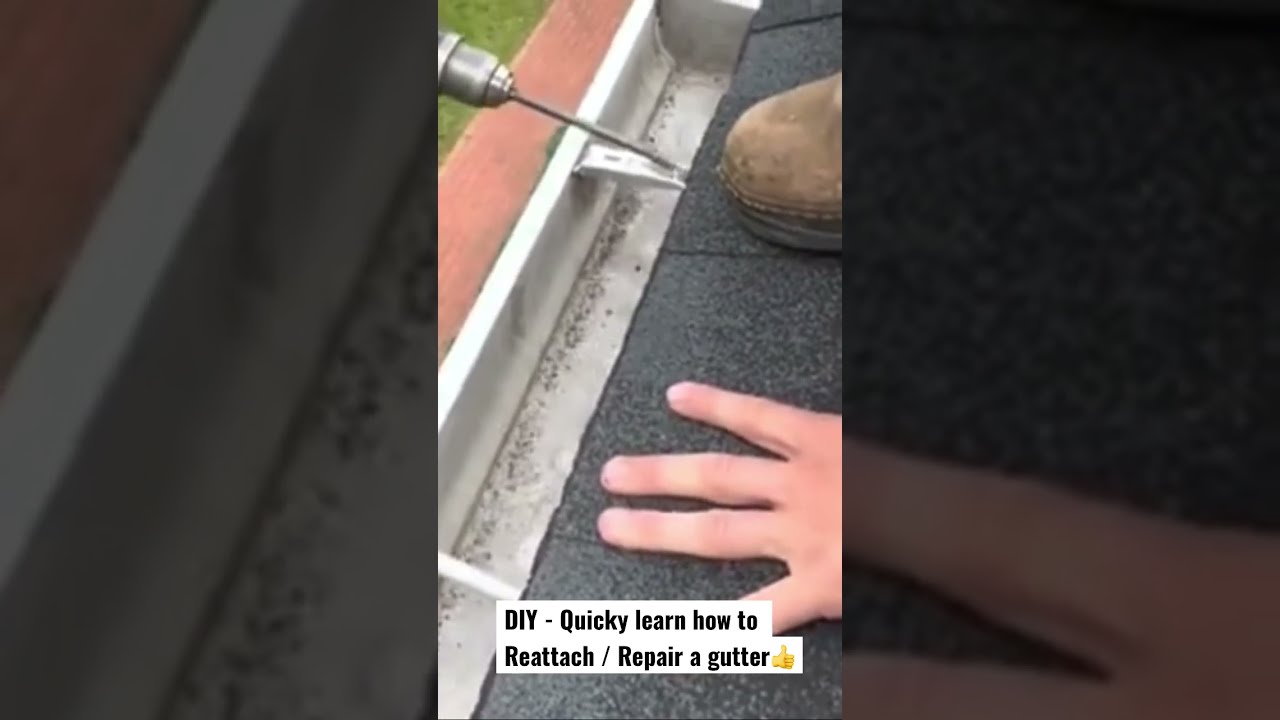
- Damaged gutter repair: Fixing sagging sections, failed brackets, and leaking joints before repainting adjacent surfaces.
- Aluminum gutter repair: Resealing seams, patching small holes, and replacing corroded sections.
- Copper gutter maintenance: Cleaning, inspecting solder joints, and allowing natural patina to develop while preventing staining of adjacent walls.
- Advanced gutter solutions: Leaf guards, upgraded downpipe capacity, and improved fall to handle heavy rainfall.
- Commercial gutter services and comprehensive gutter services: Larger-scale cleaning, inspection, and replacement programs for multi-unit and commercial sites.
Ventilation and Its Effect on Coatings
Poor roof and attic ventilation traps heat and moisture, which can cause paint to blister on eaves and soffits and shorten roof life. Comprehensive roof venting balances intake and exhaust airflow so humid air does not accumulate under the roof.
Practical measures include attic ventilation installation where airflow is inadequate and attic ventilation repair where vents are blocked or damaged. Customized roof ventilation plans consider roof pitch, attic size, and insulation. Advanced ventilation techniques, such as combining soffit intake vents with ridge exhaust, support attic heat reduction and attic cooling methods that reduce cooling loads in summer and limit condensation in cooler months.
Comprehensive Wall Repair and Joint Sealing
Comprehensive wall repair addresses the defects that let moisture in. Joints around windows, doors, downpipes, and cladding transitions should be sealed with a flexible, paintable sealant rated for exterior use. Rigid fillers in moving joints crack quickly, so choosing the right product matters. Timber trims should have end grain sealed, and any exposed https://dominickqvjh675.timeforchangecounselling.com/comprehensive-roof-venting-balancing-intake-and-exhaust-air fixings should be protected from corrosion.
Choosing the Right Coating System
Different surfaces call for different products. Consider the following:
- Exterior walls (render or fibre cement): High-quality 100% acrylic or elastomeric paint for flexibility and crack-bridging.
- Timber: Penetrating oil or UV-stable acrylic systems, with regular recoating to maintain protection.
- Metal roofing and flashings: Corrosion-inhibiting primers and roof-grade coatings.
- Masonry: Breathable sealers or mineral-based paints that allow moisture vapour to pass.
In 2026, there is continued emphasis on low-VOC, water-based formulations and reflective "cool" roof coatings that reduce heat absorption. These choices can improve indoor comfort while reducing environmental impact.
Maintenance Schedule for Long-Lasting Protection
Even the best sealing system needs periodic attention. A simple routine can significantly extend the interval between full repaints:
- Inspect exterior surfaces, sealants, and gutters twice a year, ideally before and after the wetter months.
- Clean gutters and downpipes regularly, especially after storms.
- Wash walls gently each year to remove dirt and mould spores.
- Touch up chips, cracks, and failed sealant promptly.
- Schedule professional roof and brick assessments every few years, or after severe weather.
When to Call a Professional
Minor touch-ups can be handled by competent DIYers, but work at height, structural brick repairs, roof repairs, and full exterior sealing projects are best left to qualified tradespeople. A professional provider can identify hidden moisture problems, specify compatible products, and coordinate trades so painting, roofing, gutter, and masonry work are sequenced correctly. Always confirm licensing, insurance, and warranty terms, and request a written scope that outlines preparation, products, and number of coats.
Conclusion
Durable outdoor protection in Hawkesbury depends on treating the whole exterior as one system. By combining thorough preparation, brick and mortar repair, roof and gutter maintenance, effective ventilation, and the right coatings and sealants, property owners can prevent moisture damage and keep their buildings looking good for years. Whether you manage a home or a commercial site, a complete painting sealing approach delivers better value than repeated surface-level repainting, and sets your property up for lasting performance into 2027 and beyond.
Top Hawkesbury Roofer
Bells Line of Rd, Kurmond NSW 2757, Australia
(02) 4503 4545